Loading

Loading
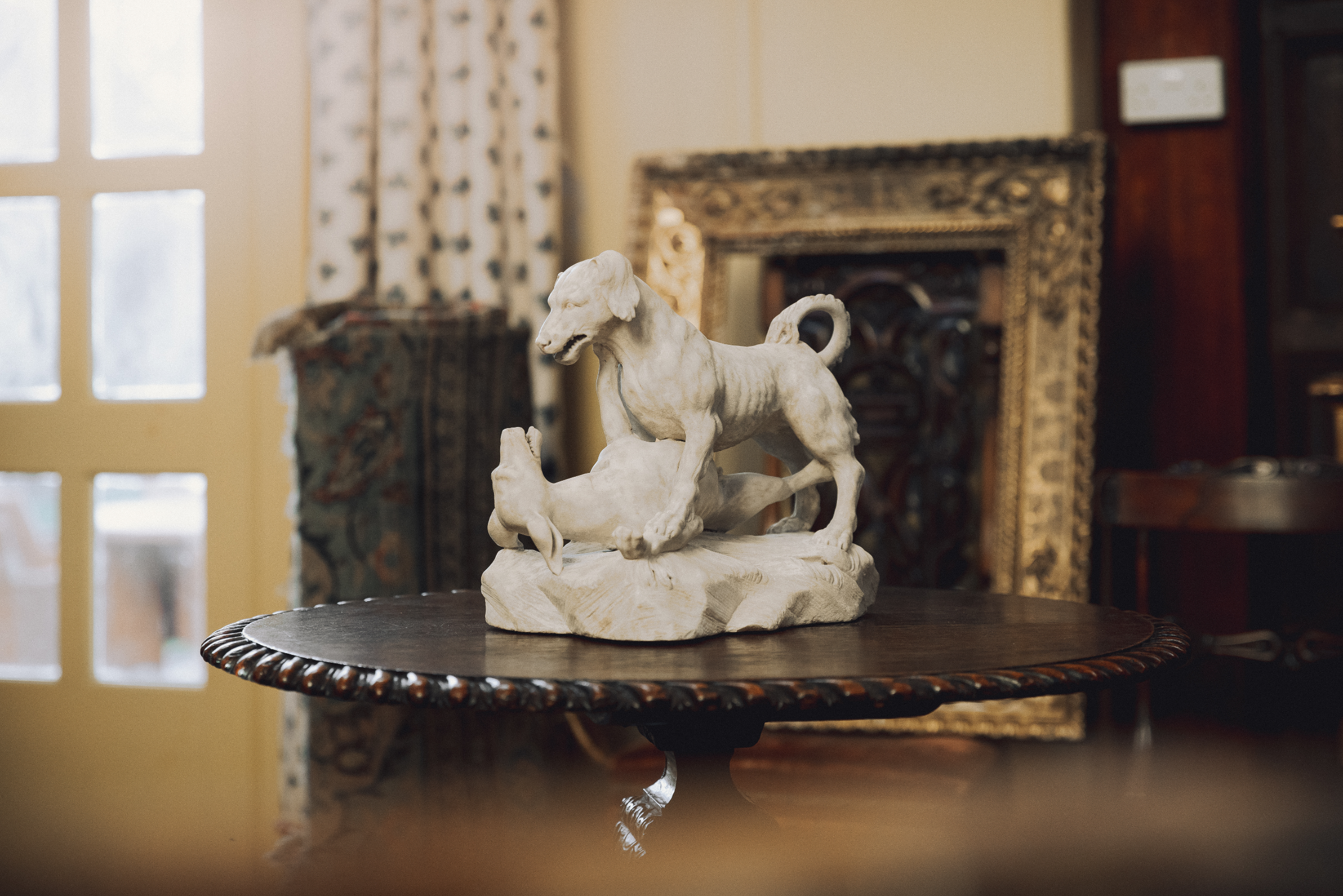
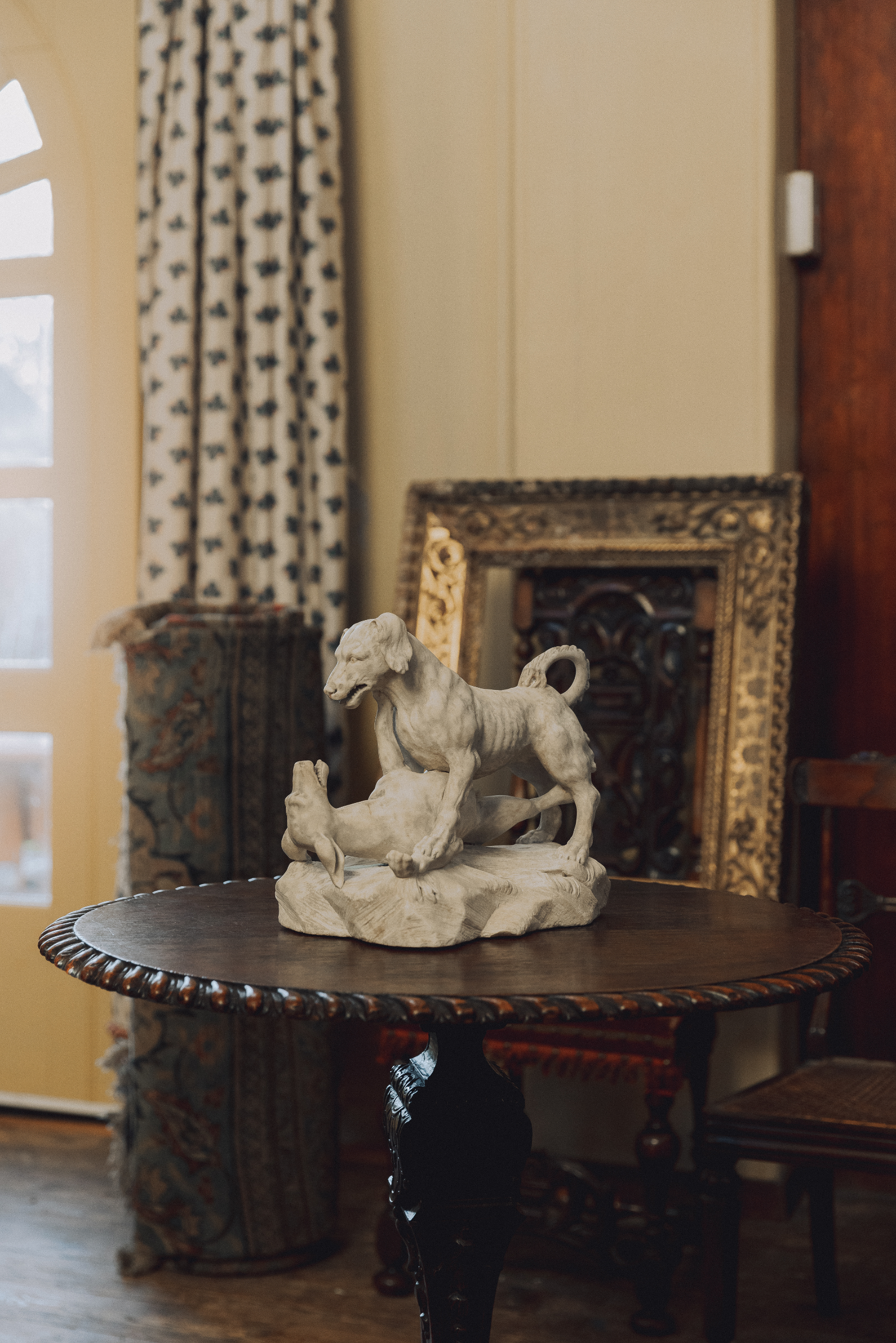
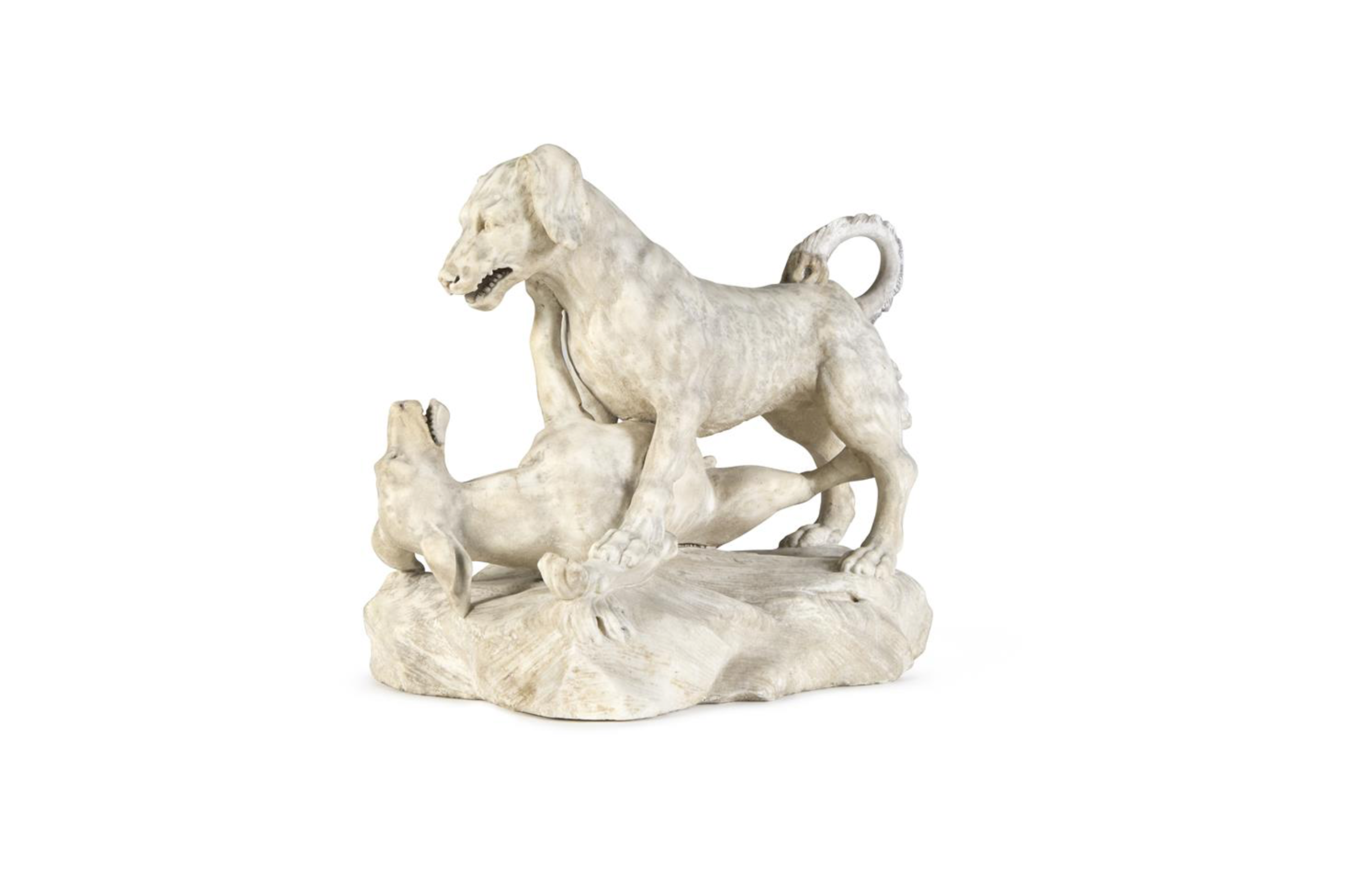
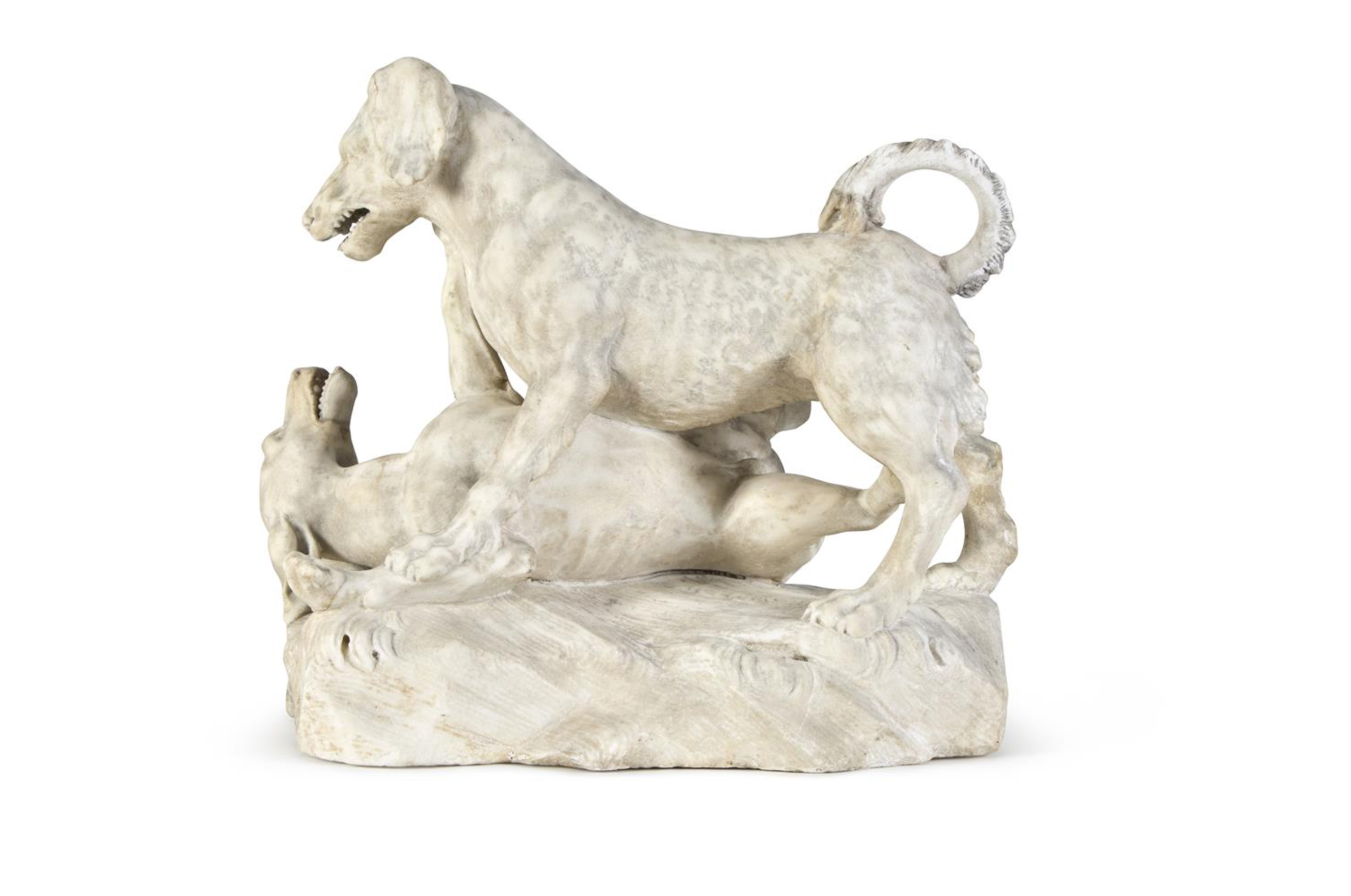

Francesco Antonio Franzoni trained in Carrara but moved to Rome in the mid 1760s where he specialised in the restoration of antiquities and creating new works often incorporating earlier elements for Europeans on the Grand Tour.
In the 1760s Franzoni joined the team of restorers led by Giovanni Battista Piranesi, who worked with ancient fragments (many from Hadrian's Villa at Tivoli) in two ways: reintegrating damaged antique statues, or combining ancient fragments into entirely new "pastiche" works. This grounding gave Franzoni both deep expertise in restoring antiquities and real skill at composing original works from ancient fragments — his Heron with a Serpent, reconstructed around the torso of an ibis, is cited as an example — and it was here that he began to specialise in depicting animals.
After the election of Pope Pius VI in March 1775, Franzoni was appointed Carver ("Intagliatore") to the Sacro Palazzo Apostolico. Ten years later he also became Carver to the Fabbrica di San Pietro, contributing to work on the Vatican Sacristy and the clocks on its façade. His lasting fame rests on his work at the Museo Pio-Clementino, where he acted not only as sculptor but as organiser and intermediary for supplies of fine and coloured marbles. His name is permanently tied to the so-called "marble zoo" of the Sala degli Animali (Animal Room), showcasing his close observation of nature, technical skill, and precision of execution. He also earned major acclaim as a restorer — notably for his work in the Sala della Biga and on the biga (chariot) itself.
The Cleveland Museum of Art holds a comparable work by Franzoni, for which their curator - Jon L Seydl, writes a rather nice article in March 2009 - https://www.clevelandart.org/articles/finding-franzoni
Includes in the additional images is a portrait of Franzoni, painted by Domenico De Angelis (Ponzano 1735-Roma 1804).